
What Does The Clubhouse Model Have To Do With Autism?
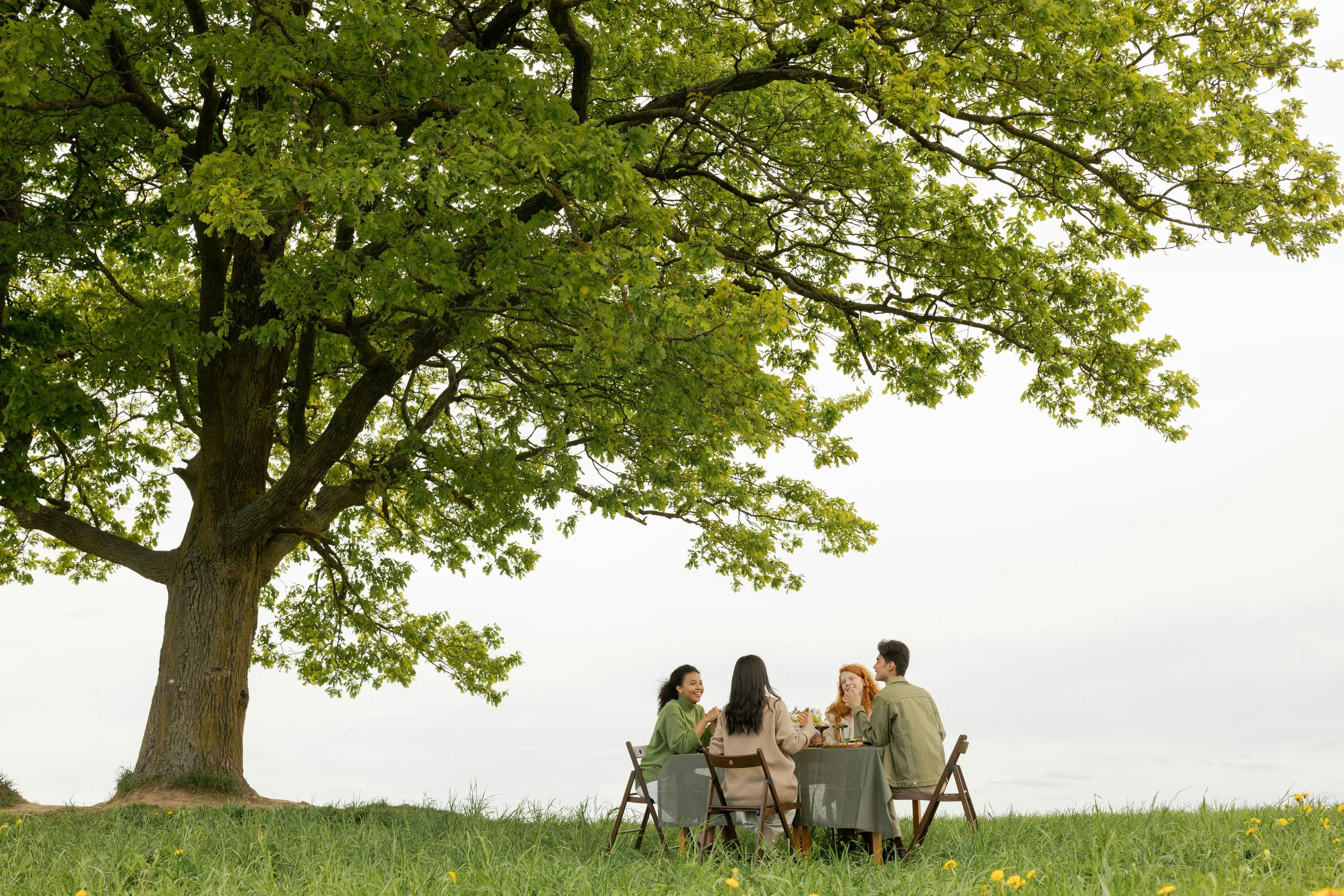
This morning, I was nerding out on one of my special interests — current autism studies— and somehow stumbled upon groundbreaking research on the profound impact of the Clubhouse Model for people living with serious mental illness (SMI). These community-based centers, which have been around for 75 years, are redefining recovery by fostering social connection, purpose, and real-world opportunity—far beyond the scope of traditional clinical treatment123.
Guess what? IRL Social Skills is doing this — in a virtual format — and is looking to help other providers offer this community-based, proactive approach to mental health in a hyperlocal manner, across country and even the world.
What Is the Clubhouse Model?
The Clubhouse Model is an evidence-based approach to mental health recovery. Let me clarify — autism is not a mental health disorder — however, mental health issues like anxiety, depression and suicidality come with the territory of autism. This innovative model centers on peer support, shared responsibilities, and meaningful engagement, offering a voluntary membership community for individuals with SMI. Members work alongside staff to manage daily operations, participate in social events, and access employment and housing support24. Unlike standard clinical settings, Clubhouses empower members as active participants in their own recovery journey2.
The Clubhouse Model, while originally developed for people with serious mental illness, shares core principles that can be highly beneficial for autistic individuals, especially young adults.
Key Benefits for Autistic People
Social Integration and Community Connection:
The Clubhouse Model emphasizes a supportive community environment where members actively participate in daily activities and social events. For autistic people, this offers structured opportunities to build social skills, form friendships, and reduce feelings of isolation—a common challenge for those on the spectrum12.Skill Development in a Safe Environment:
Clubhouses provide comprehensive skill development, including cognitive, vocational, and social competencies, tailored to individual needs. This aligns with the needs of autistic individuals who often benefit from explicit instruction and practice in social and life skills13.Routine and Predictability:
The structure offers a predictable routine, which can be especially comforting for autistic individuals who thrive on consistency and clear expectations1.Personal Choice and Responsibility:
Members can choose their level of involvement and the activities they participate in, fostering autonomy and self-confidence—important for autistic adults developing independence1.Lifelong Support:
Lifelong membership ensures ongoing access to a supportive community, which can be vital for autistic individuals as they navigate transitions and challenges throughout life1.
Evidence from Autism-Specific Clubhouse Programs
Some Clubhouse programs are already tailored specifically for young adults on the autism spectrum. These programs focus on fostering essential life skills, social development, and a sense of belonging within a closed, safe group. Participants are encouraged to grow personally and socially, with the goal of building confidence and independence for navigating the world2.
Additional Strategies for Success
Structured Social Skills Training:
Activities such as role-playing, modeling, and real-life practice—often used in autism-focused social skills groups—can be integrated into Clubhouse programming to help autistic members generalize skills across settings3.Inclusive and Supportive Environment:
The Clubhouse setting is designed to be inclusive and understanding, providing a judgment-free space where autistic individuals can be themselves and develop at their own pace2.
So…while the Clubhouse Model was not originally designed for autism, its focus on community, skill-building, routine, and lifelong support can be adapted to meet the needs of autistic individuals. And we have done it! Autism-specific Clubhouse programs already demonstrate positive outcomes in social integration, skill development, and quality of life for participants2. Expanding this model for autistic adults could offer significant benefits, especially in promoting independence, social connection, and ongoing support.