So what's really in an IRL skills course?
When you enroll your autistic or neurodivergent loved one in our program, you’re getting full access to a multidisciplinary team that includes coaches with a broad range of experiences, cultural backgrounds, gender expressions and sexual orientations. Many of us are also neurodivergent or are parents of neurodivergent youth, so we are familiar with the challenges faced by ND young people and their parents.
Read More
Emotional regulation tips for the holidays
Holidays can be stressful for your kids—especially autistic, ADHD, and other neurodivergent youth. And let’s face it, they can be pretty rough for parents, too. Here’s a simple self-regulation exercise that’ll help YOU stay grounded, open, and more at ease, while modeling these skills for your children.
Read More
What we’re reading
As we ease deeper into fall and begin to spend more time indoors, many of us find ourselves reading more. Isn’t that one of the best things about fall and winter? Time to curl up with a good book on the sofa, a mug of tea or cocoa, maybe a furry best-friend nearby to keep our laps warm. Here at IRL Social Skills, we are voracious readers, all year-round. Here’s what our coaches are reading.
Read More
What’s in a Skills Jam Workshop?
Our flagship 16-week course is an immersive experience, but everyone can fit a four-month-long commitment into their schedule. We created a monthly workshop to offer social and communication skills coaching that fits into one Sunday each month, via Zoom video calls. Although we can’t fit everything from our courses into a couple of hours, parents and student learners tell us these smaller sessions are great as a refresher or as an introduction to the work.
Read More
Anxiety and Autism: A recipe for distress
Social interactions can provoke anxiety even in the most outgoing, extroverted neurotypical person. For autistic and neurodiverse people, that anxiety can be crushing—causing life-long social struggles and mental health issues. Practicing social skills may ease anxiety before or during social interactions, enhancing meaningful connections. We know! Many of us are also neurodiverse people too!
Read More
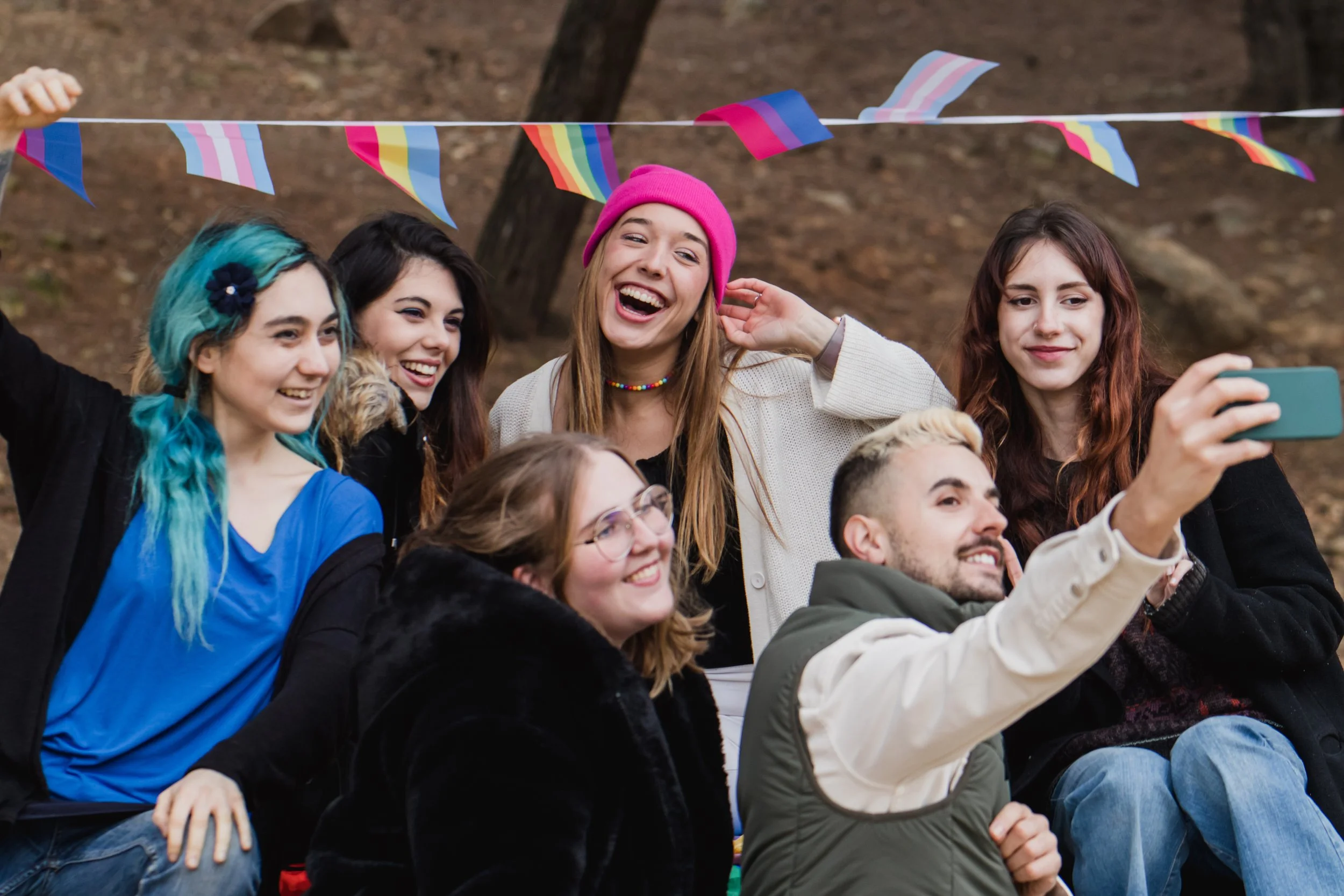
First IRL IRL party!
We wouldn’t live up to our name—or our promise—if we didn’t have people come together for actual social interactions. Events where our current students and alumni alike can put their social skills to the test, make new friends. What better opportunity to put those at play than at an outdoor celebration?
Read More
How social norms impact autistic and neurodivergent people
Helping autistic people feel confident in social interactions is critical for mental and physical health.
Read More
What is a friend? How do you know if someone IS your friend?
Some say that friendship is a gift — and truly, there is nothing like a loyal, dependable, good friend.
Read More
Social Skills for Summer
It’s finally summer! School’s out, and families are looking forward to all the fun that can accompany this welcome, much-needed break.
Read More
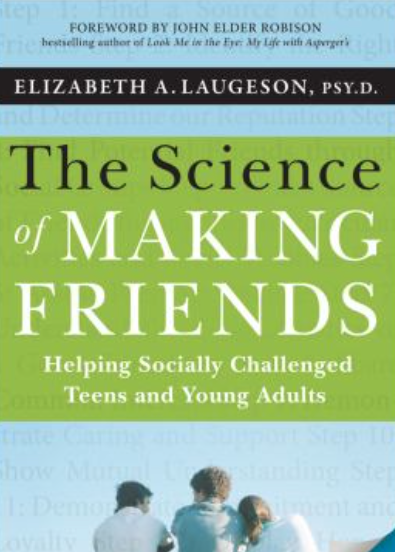
The Science of Making Friends
John Elder Robinson, author of Look Me In The Eye: My Life With Asperger’s Syndrome was 40 years old when he discovered that he was autistic. This revelation transformed the way he saw himself—and the world.
Read More
What exactly is a Social Skill?
Turns out, this can actually be problematic to define. But we know when we or our loved ones have lagging social skills — because we see them, or ourselves, struggle to initiate, cultivate, and maintain relationships with others. And this causes so much pain.
Read More
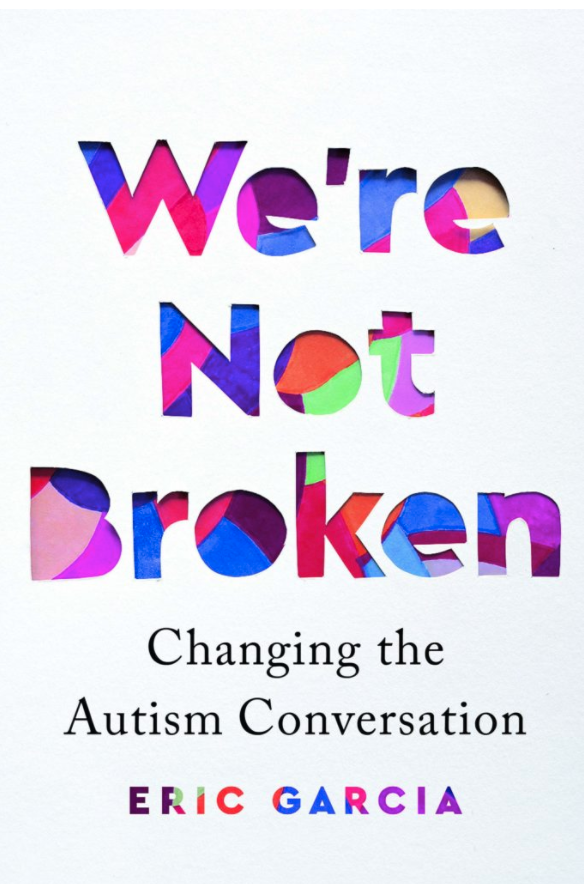
Review of We're Not Broken by Eric Garcia — Guest blogger Sebastian Rubino
Since Temple Grandin made headlines in the 1980s as the first openly autistic adult to be recognized in the media, many autistics have made memoirs about their personal experiences since her heyday. However, most just cover one perspective of autism but don’t highlight the rest of the spectrum. We’re Not Broken: Changing the Autism Conversation by Eric …
Read More
My teen or adult has already had "social skills," and still struggles! How is IRL different?
By the time an autistic teen or adult reaches that age, they’ve already had “social skills.” But they haven’t seen any improvement in real life! That’s because their learner has not only not received enough intervention, they’ve also been taught using an ineffective methodology. Let’s change that!
Read More
Go To Sleep! But How?
Sleep issues in autistic and other neurodivergent people are quite common, especially during the teen years.
Read More
Is Greta Thunberg Autistic?
There is nothing that can stop Greta Thunberg from becoming an environmental campaigner. As she strives to win over hearts and minds all across the globe, her autistic profile may really be an asset.
Read More
Five social skills autistic people can teach neurotypical people
Honesty, fearlessness, quietude, solitude, and routine are characteristics and values that can benefit us all.
Read More
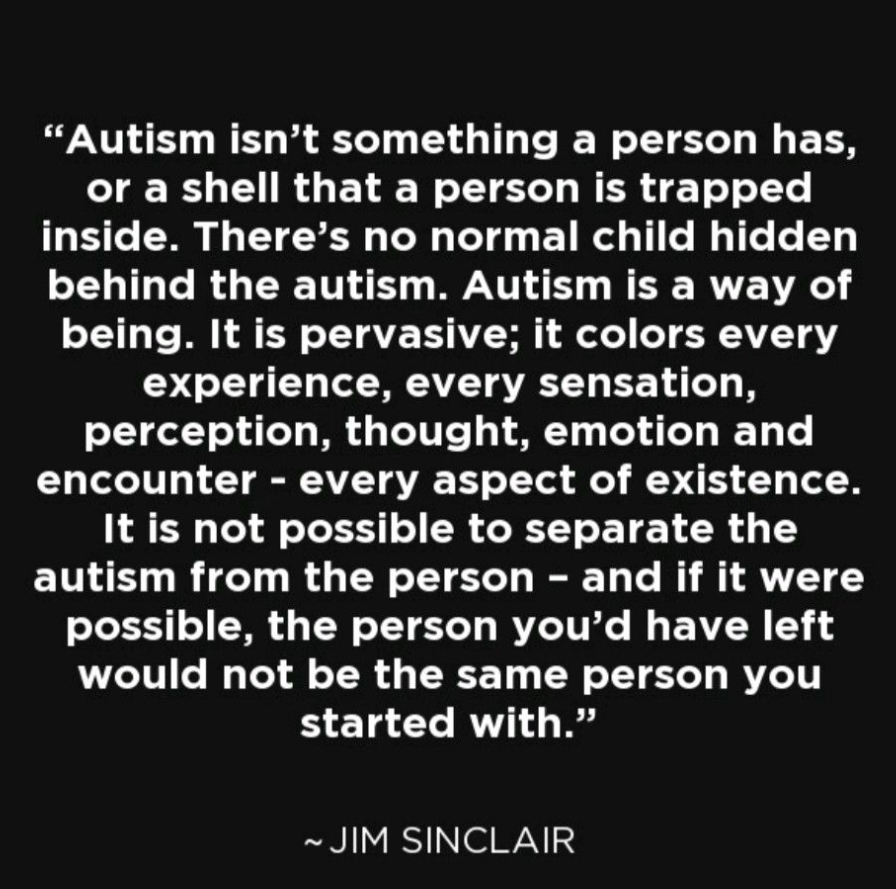
What is Autism, anyway?
The big problem is that the DSM-5 criteria are written as a set of fixed, deficits-focused observations about the behavior of Autistic children. At no point does the DSM move into motivations or reasons for the behavior, and at no point does the DSM advocate that Autism can be anything apart from a pathology (and doesn’t discuss the impact of autism on teens and adults).
Read More
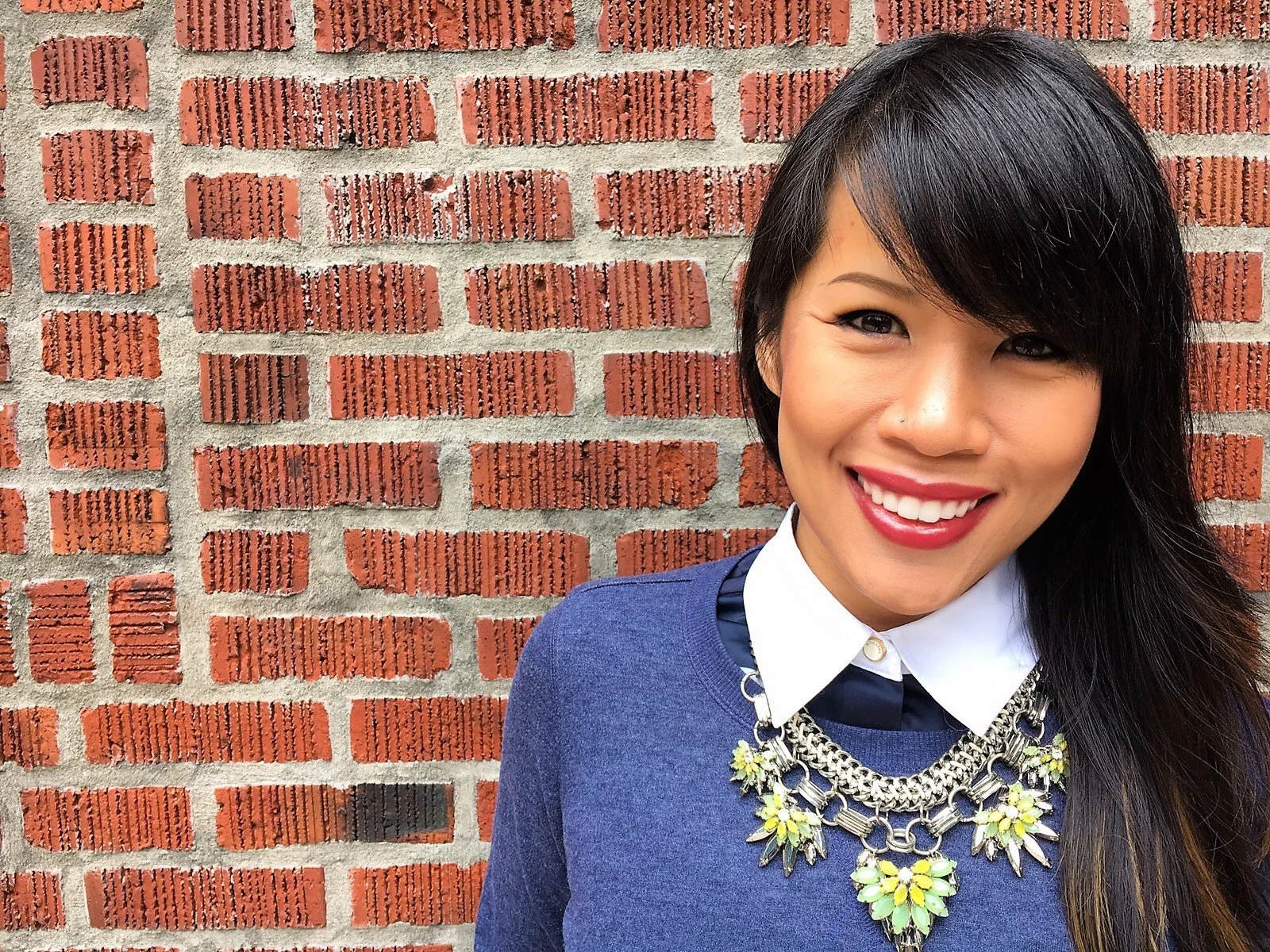
Style Profile with Kat Depner, Personal Stylist Extraordinaire
If you want to find people with whom you share common interests, one way is to keep your eyes open and check out other people’s style. An anime t-shirt, a fringed leather jacket, or old-school Vans all make various statements about the wearer. Does your style truly represent who you are, on the inside?
Read More
How can we improve the quality of life for autistic teens and adults?
What are the questions guiding your practices to help improve the quality of life for autistic people?
Read More