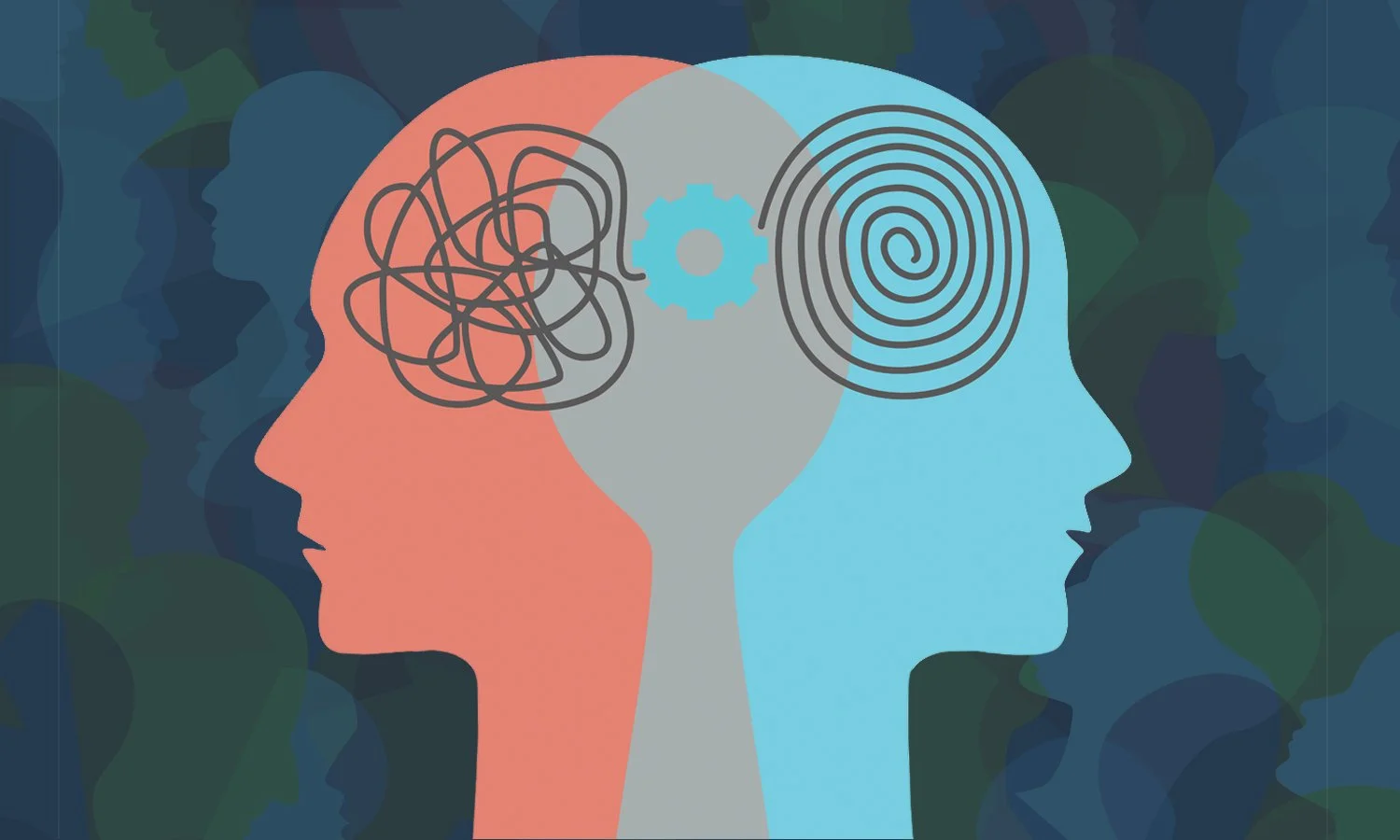
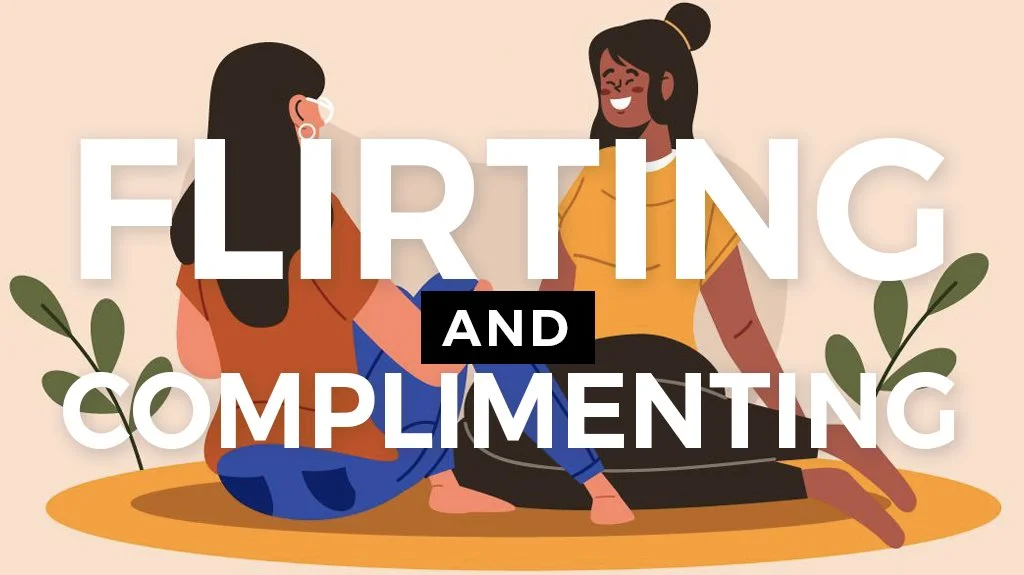
Complimenting and flirting are close cousins on the social skills tree, but they serve different purposes. Neurodivergent individuals who struggle to read social and nonverbal communication cues, may have difficulty differentiating between the two. So what exactly is the difference between flirting and complimenting?
Read MoreNavigating the world of dating can be exciting—and challenging!—for anyone, but for individuals on the autism spectrum, it may present unique considerations and difficulties. However, with self-awareness and strong social skills, autistic individuals can develop fulfilling and meaningful romantic relationships—AND actually enjoy dating.
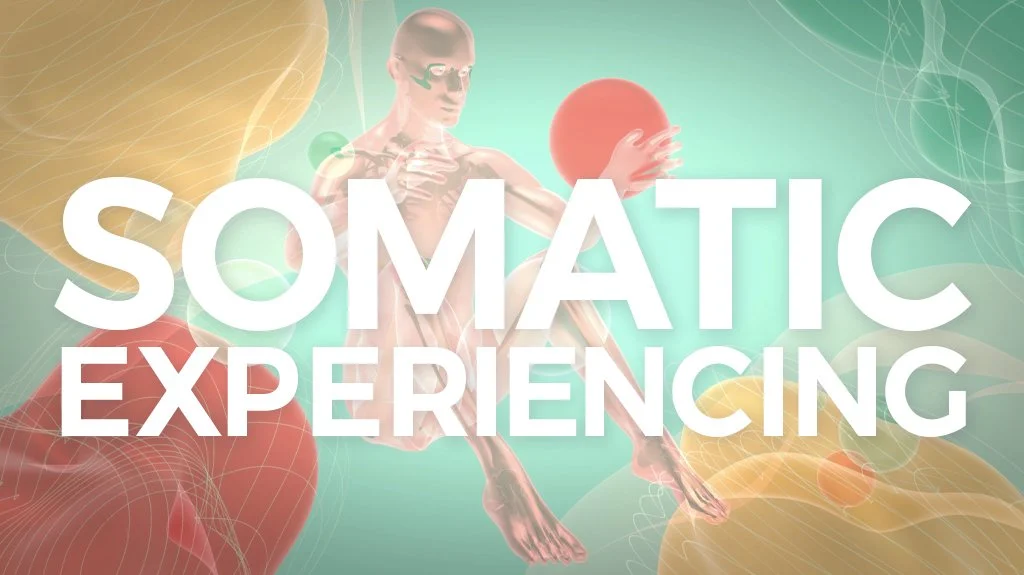
Read MoreWhen most people think of social skills, they think of talking, listening, and interacting with others. But there’s a critical skills that many of us remain unaware of—our own ability to understand what our body sensations are telling us. Somatic experiencing can help us get better at relating to others by first understanding our own sensations and feelings.
Read MoreWho do insurance companies often hesitate to foot the bill for life-changing interventions? in this article we explore the challenges of getting insurance to pay for your family’s medical needs.
Read MoreAll families experience communication difficulties from time to time—it’s a normal part of family life. But when misunderstandings and communication breakdowns occur, everyday interactions can become something both sides dread. Strengthening communication skills goes a long way to improving family relations.
Read MoreEmerging technologies promise new treatment options for autism and other physical and mental health conditions. Studies are underway to prove their effectiveness. But evidence is already in on the positive impacts of good old fashioned skill-building and community support for mental and physical health.
Read MoreHaving technical skills is of vital importance in today’s workplace, but even more important is possessing strong social skills, aka “soft skills”. In fact, many employers admit they would hire or promote individuals with strong people skills over someone with terrific technical skills who lacks social skills. Read on to learn more about which skills are so necessary to develop in order to succeed at work.
Read MoreSelf-care is all the rage right now. Social media channels are flooded with self-care tips ranging from bubble baths to journaling to mushroom tea to forest bathing—the practice of spending time in nature. But what IS self-care? Is it different for neurodivergent people than for neurotypicals? In honor of Mental Health Awareness Month, we present an overview of three mental health tools for self-care.
Read MoreTransitions are among the most difficult experiences for humans. They can be exciting and uplifting, but often they are stressful and dysregulating as well. To help your young adult succeed with this major transition, it’s imperative to strongly encourage them to join an activity on campus that is based on their interests. Whatever it is — art, music, gardening, animals — other people are interested in it, too.
Read MoreMay is Mental Health Awareness Month and in recognition of the importance of advocating for and tending to our mental health—both individually and collectively—it’s important to understand how mental health and neurodiversity intersect.
Read MoreAs the parent of an autistic teen, you don't need studies and surveys to know when your child is suffering from loneliness. You can see it in their eyes, mood, and how they engage with others. Knowing how to support them will not only ease your concerns, it can help make them more resilient, happy, and resourceful humans throughout their lifetime.
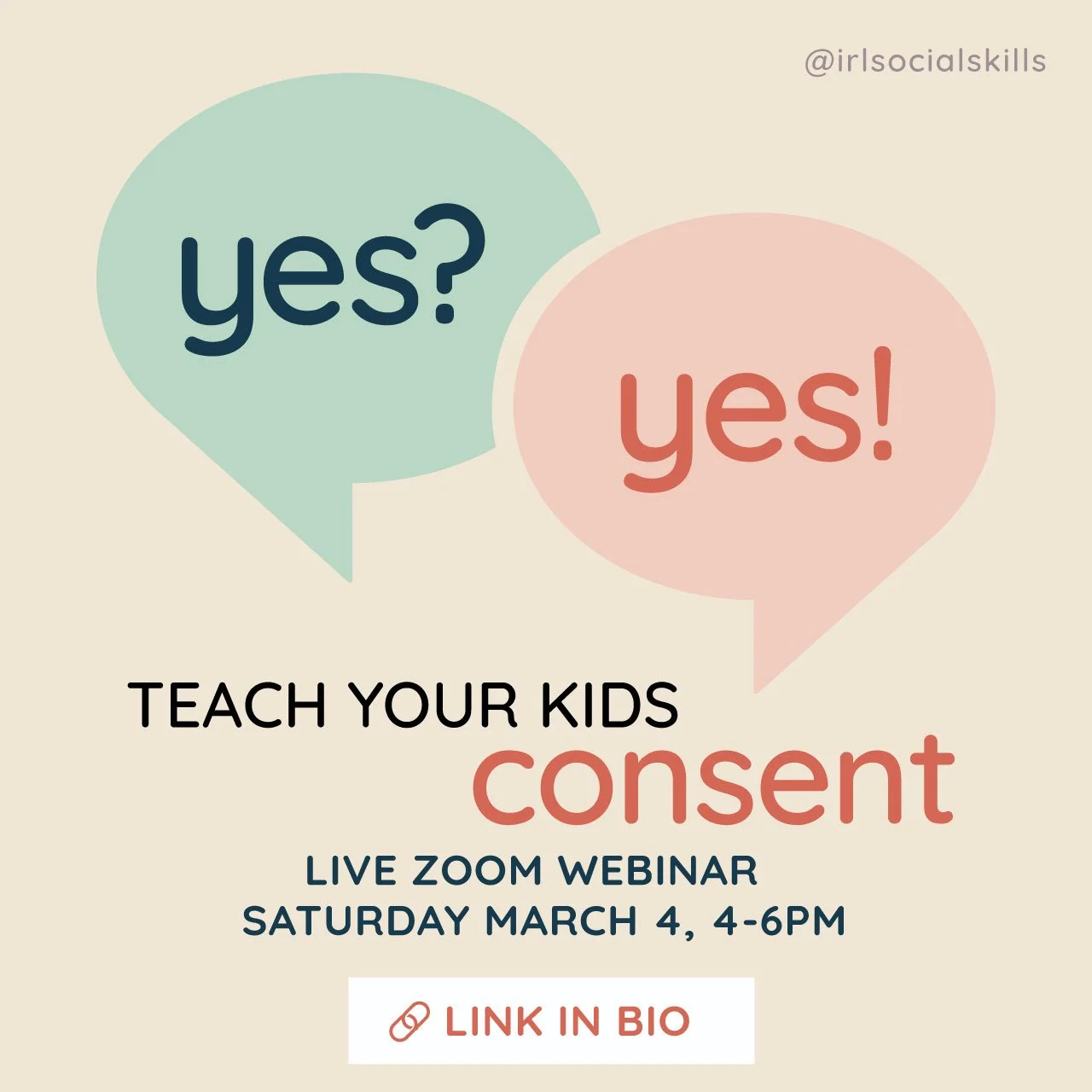
Read MorePreparing your teen for sexual relations might be awkward but it’s also a loving and empowering endowment. Helping them understand the need for clear boundaries and consent will help prepare them not only for sexual intimacy but also in other areas of life as they learn self-agency, self-advocacy, and self-respect.
Read MoreMost autistic individuals have typical sexual and romantic feelings and desires. They have a right to sex education and to engage in sexual activities. Without proper education, autistic individuals may engage in socially inappropriate or dangerous ways of fulfilling their sexual and intimacy desires. Sex education is preventative and proactive.
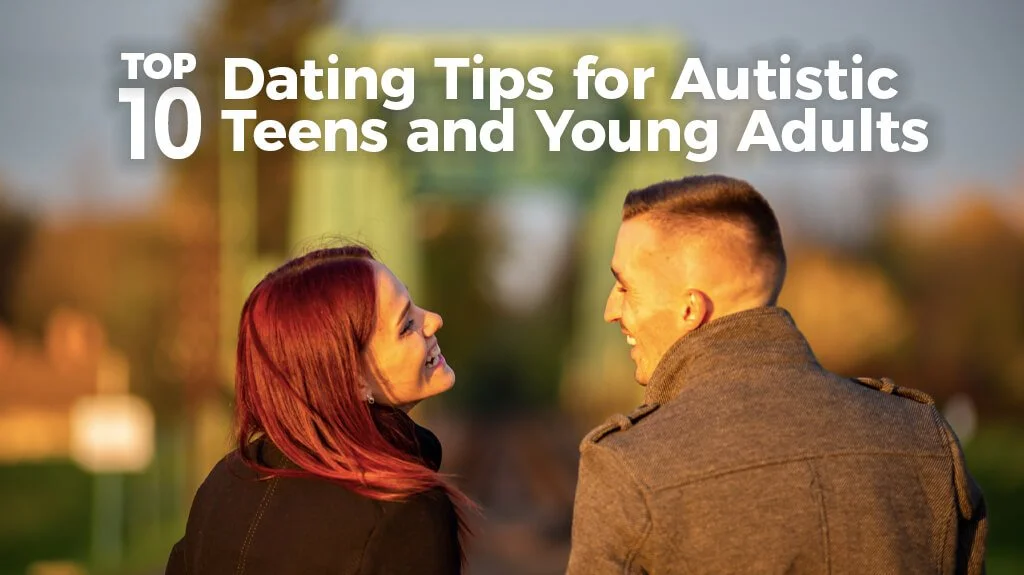
Read MoreThere are many articles offering advice to neurotypical individuals on how to date an autistic person. Few articles exist that help autistic and neurodivergent people navigate dating an allistic (or non-autistic) person. Here are our Top 10 Dating Tips for autistic teens and adults to help you go from awkward to awesome with your social engagements.
Read More