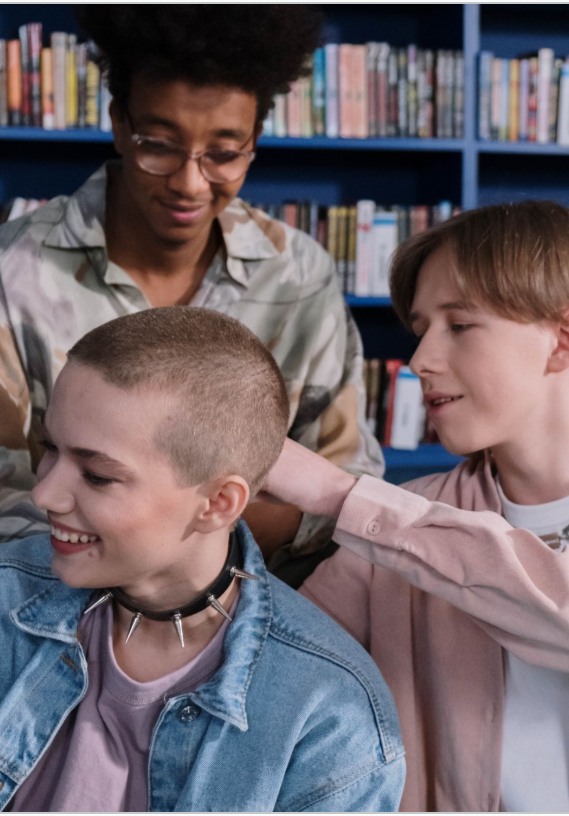
We’re not here to create “perfect” social performers. We’re here to create spaces where teens, adults, and parents can practice, grow, and connect—without losing themselves in the process.
Read More
We’re not here to create “perfect” social performers. We’re here to create spaces where teens, adults, and parents can practice, grow, and connect—without losing themselves in the process.
Read MoreIn recent years, the conversation around autism and social challenges has shifted from deficit-based perspectives to those more holistic, compassionate, and neuroscience-informed. The biopsychosocial model—an integrative lens that acknowledges the biological, psychological, and social factors influencing a person’s behavior, development, and well-being—is coming into focus, for providers as well as for families and individuals.
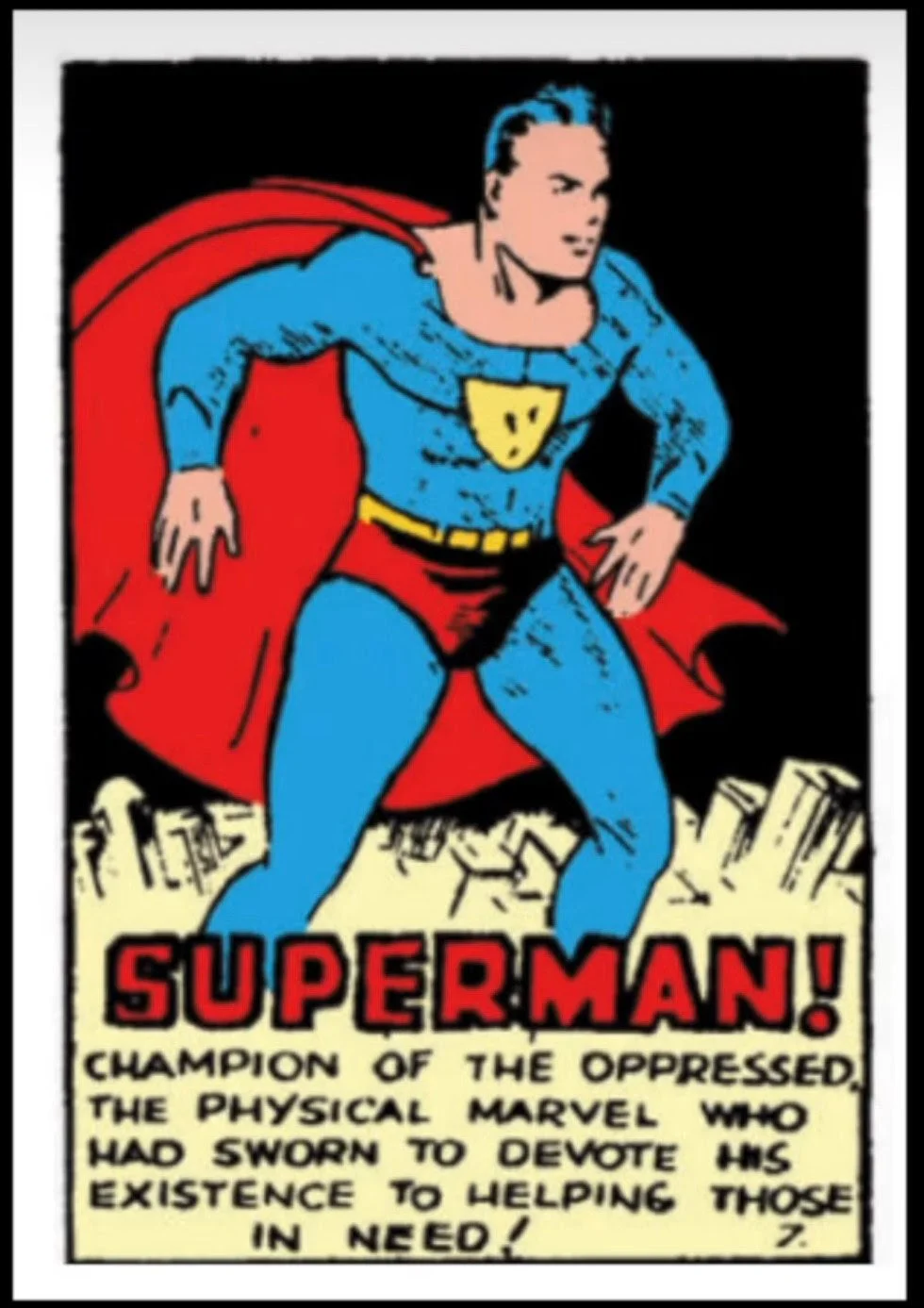
Read MoreSuperman — the creation of two Jewish friends, Jerry Siegel and Joe Shuster,
The character they created wasn’t far from their own origin stories. They were socially awkward and intensely focused on their creative work. These traits are associated with autism — what used to be called Asperger syndrome
Read MoreAutistic people may face unique challenges that increase their risk for mental health conditions such as anxiety, depression, even suicidality. Several factors contribute to this increased risk.
Read MoreLet’s name it: neurodivergent people—especially those with autism, ADHD, or both (hi, AuDHD fam!)—are often misunderstood in social spaces. We might miss or misinterpret social cues, need longer processing time, or struggle with initiating contact. Many of us also carry a history of being bullied, excluded, or pressured to change in order to “fit in.” That’s not just painful—it’s relational trauma.
Read MoreEarly in 2025, a paper published on a WordPress blog called "Science, Public Health Policy and the Law" (not a real scientific journal) claimed that vaccinated children in Florida's Medicaid program had much higher rates of neurodevelopmental disorders, including autism.
This study, by Mawson and Jacob, was funded by the National Vaccine Information Center (NVIC), a group that is known for being against vaccines. Despite the fact that this paper repeats a previous study that was taken back and goes against decades of strong research showing no link between vaccines and autism, it's spreading quickly among parent groups and going viral on social media.
Read MoreResearchers, led by Professor Jean Decety from the University of Chicago's Department of Psychology and Psychiatry, used functional magnetic resonance imaging (fMRI) to examine the brain activity of individuals with high "justice sensitivity". These participants were shown videos depicting morally good or bad behaviors and asked to rate their level of praise or blame for the actors in the scenes.
Read MoreThe term neurodivergent refers to people whose brains work and develop in ways that are not considered the norm in society. This creates challenges understanding and interacting in the society at large. This creates some challenges for them to make friends and to relate to those considered neurologically typical. This includes a wide variety of conditions, such as autism, ADHD, OCD, anxiety disorders, bipolar disorder, dyslexia, and more. To answer common questions:
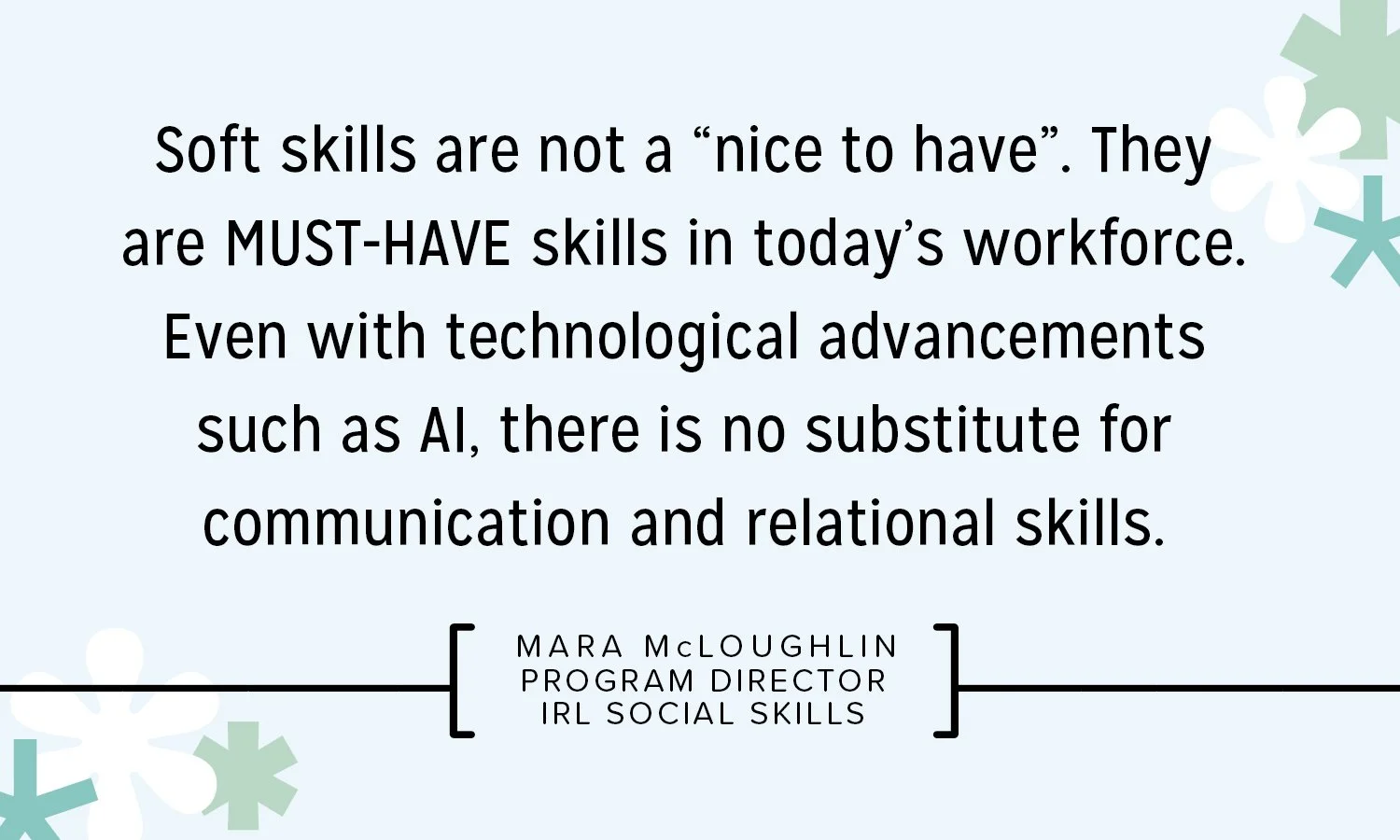
Read MoreMore than 90% of all hiring managers admit they favor candidates and employees with strong “soft skills”. That means social skills are essential to master for success in the workplace. Individuals who face obstacles in their work opportunities due to challenges in interpersonal communication and relationship-skills can benefit from social skills coaching designed to transform relationships at work and life in general.
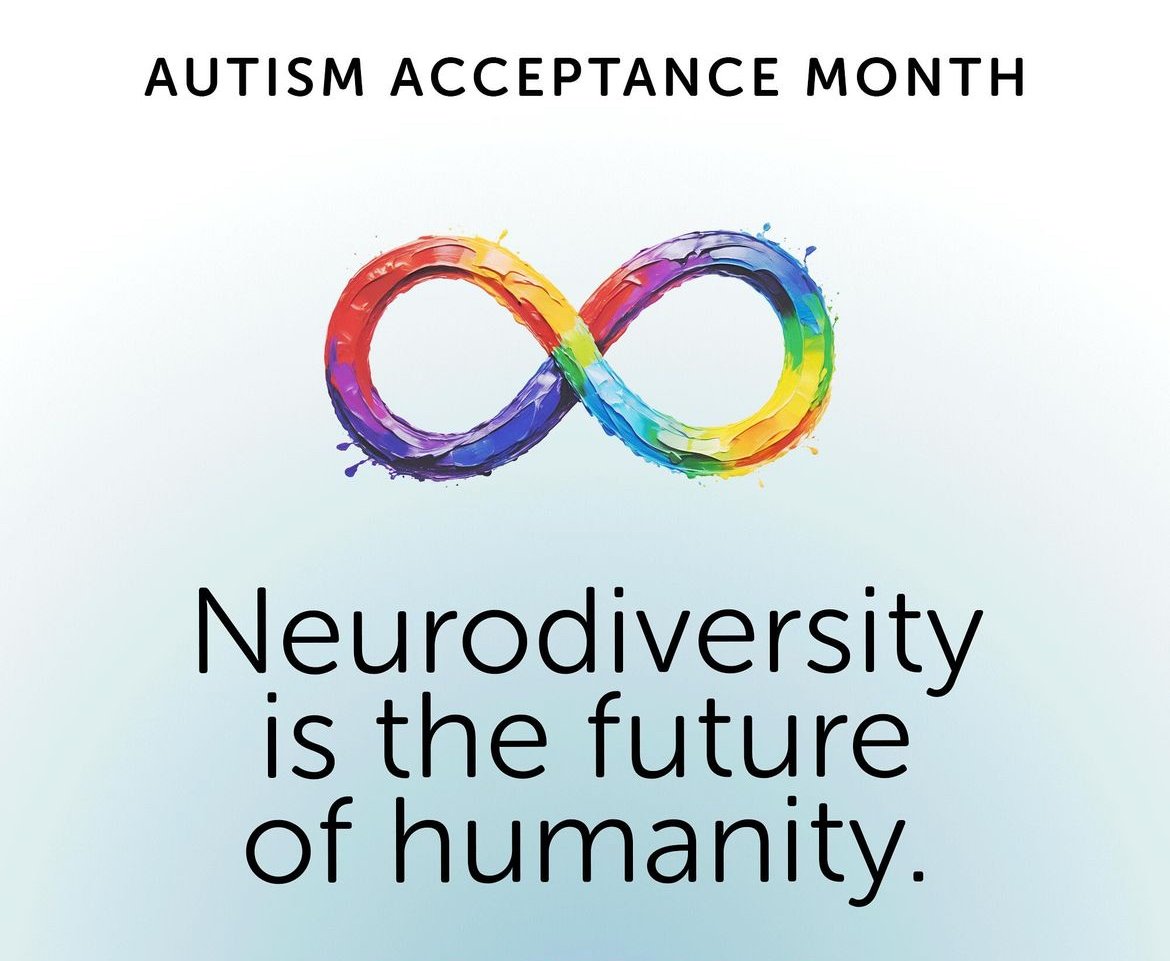
Read MoreApril is Autism Acceptance Month and Neurodiversity Awareness Month. But did you know that autistic teens and ADHD women are the most at-risk populations for suicide? IRL Social Skills seeks to solve these issues through community care and evidence-based group interventions that help teens and adults navigate social, academic and professional life.
Read MoreLet’s journey together through Autism Acceptance Month — as allies, advocates, and friends — championing acceptance, understanding, and inclusion in every arena. In celebrating autism specifically and neurodiversity in general, we enrich not only our communities and personal lives but also our shared humanity.
Read More